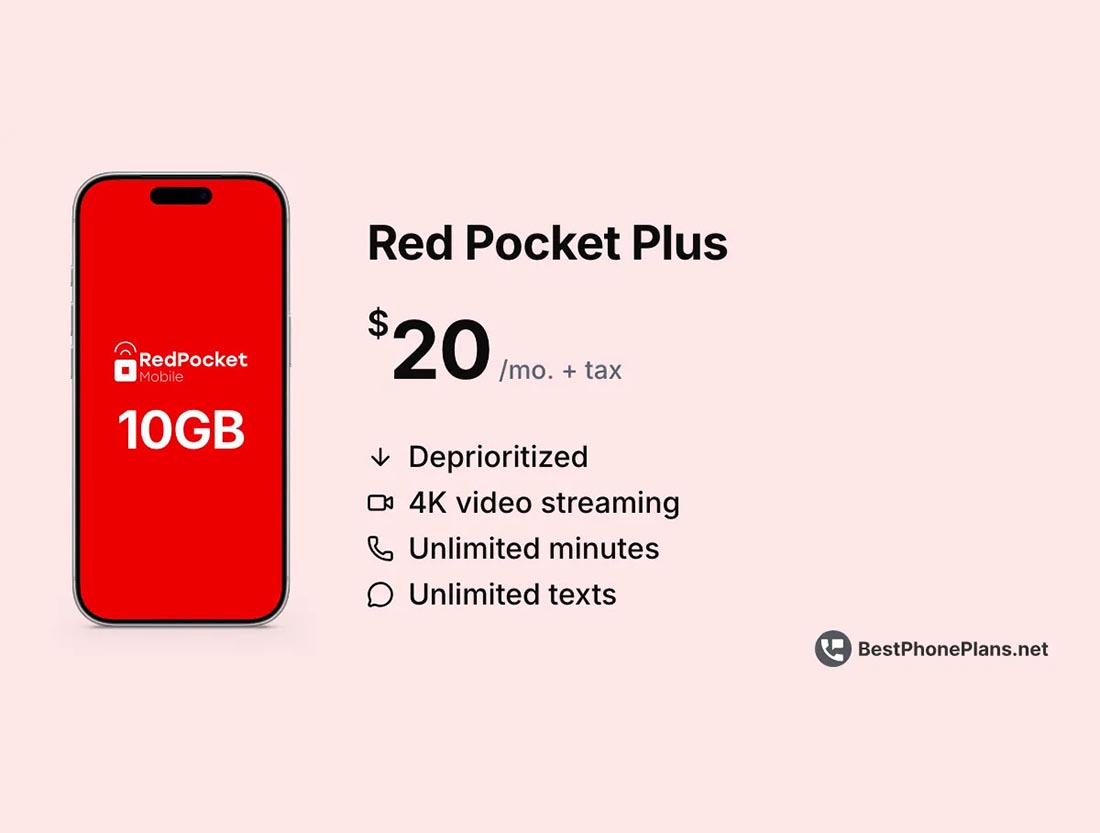
Making Everyday Communication Simpler: Discovering the Value of RedPocket’s Affordable Mobile Plans
I’ve always felt that mobile communication has become an essential part of everyday life. Whether I’m checking emails in the morning, listening to music during my commute, browsing social media during breaks, or video chatting with friends, I rely on my phone almost every day.
Especially when living in the United States, where there are so many mobile plan options available, I find myself paying more attention to how much I spend on phone services each month. It has made me wonder whether there’s a way to enjoy reliable everyday connectivity without paying extra for services I rarely use.
Recently, I started looking into RedPocket. What caught my attention was its range of plans with different data allowances and flexible options. It also offers access to the three major mobile networks in the United States, allowing customers to choose a service that better matches their needs. After exploring its offerings, I found four RedPocket plans that particularly stood out to me.
1. RedPocket Essentials Plan: Covering Everyday Communication Needs
I believe not everyone needs a huge amount of mobile data. If, like me, you mainly use your phone to check messages, send emails, browse websites, and occasionally listen to music, an affordable plan with essential features may be more than enough.
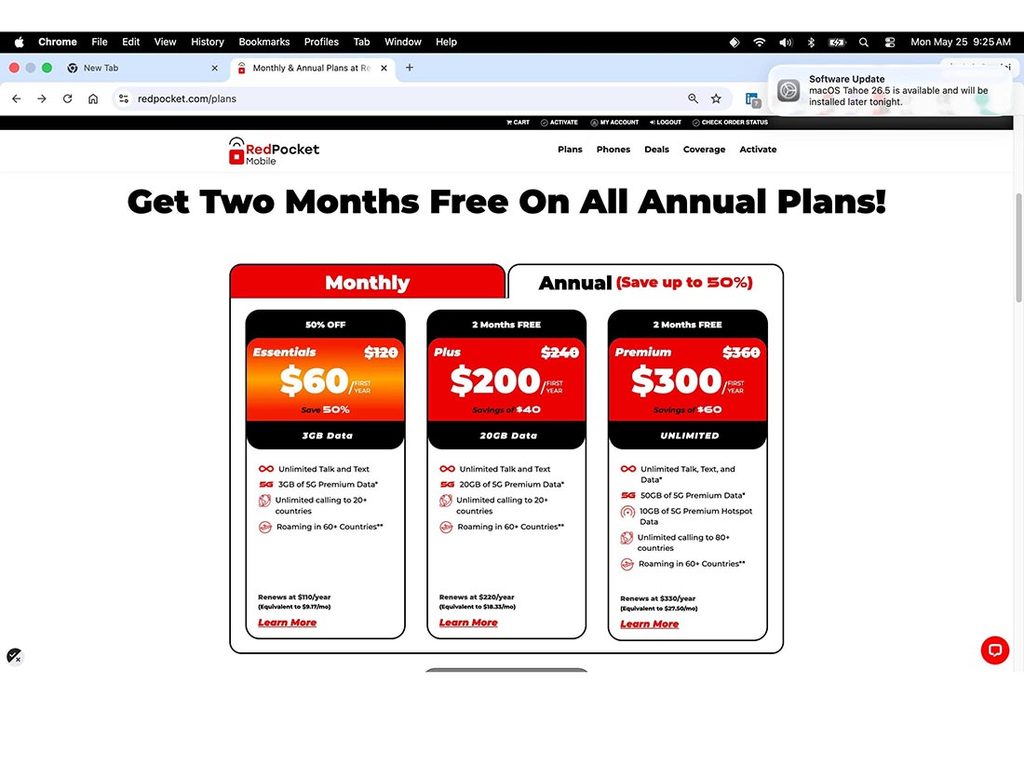
The RedPocket Essentials Plan includes unlimited talk and text, along with 3GB of high-speed 5G data per month. I like how straightforward this plan is. It provides the basic services I need without making me pay extra for a large data allowance that I might never fully use.
Even after the high-speed data allowance is exhausted, data service remains available at reduced speeds.For anyone looking for a plan for a secondary phone or simply hoping to keep monthly expenses under control, I think RedPocket Essentials is a practical option worth considering.
2. RedPocket Plus Plan: Keeping Up with a Busy Everyday Routine
As mobile phones have become increasingly important in my daily routine, I’ve noticed that my data usage has gradually increased. Besides browsing websites, I regularly use navigation apps, watch short videos, respond to work messages, and sometimes handle simple work tasks while I’m out.
That’s why the RedPocket Plus Plan caught my attention. It includes unlimited talk and text, along with 20GB of high-speed 5G data per month. Compared with the basic plan, it gives me considerably more room for everyday browsing and online activities.What I particularly appreciate is the balance between practicality and flexibility.
Whether I’m checking emails at a coffee shop or using navigation and social media during a weekend outing, I don’t have to worry as much about running out of data too quickly. For someone like me who needs to balance work and personal life, RedPocket Plus feels like a well-rounded choice.
3. RedPocket Premium Plan: Designed for Frequent Mobile Data Users
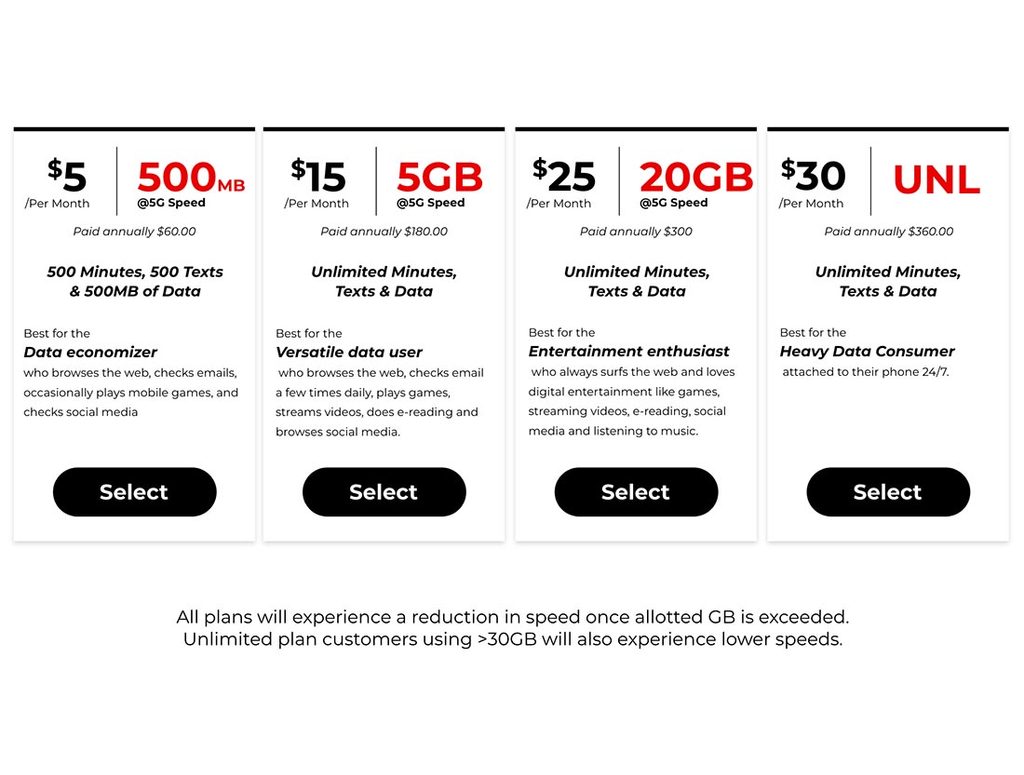
If the basic plan is better suited to light users, I think the RedPocket Premium Plan is more appealing to people who rely heavily on mobile connectivity.This plan includes unlimited talk, text, and data, with 50GB of high-speed 5G data and an additional 10GB of high-speed mobile hotspot data.
I find this combination particularly attractive for people who frequently stream high-definition videos, attend online meetings, or use their phones as hotspots to connect other devices.Personally, I value the mobile hotspot feature because I don’t always have access to a stable Wi-Fi connection when working outside.
Being able to connect my laptop through my phone makes it easier to stay productive in different locations.Another feature worth mentioning is that RedPocket Premium includes international calling to more than 80 countries and destinations.
I think this is particularly useful for people who regularly stay in touch with family and friends overseas. It’s worth keeping in mind, however, that network speeds may be adjusted after the high-speed data allowance is used.
4. RedPocket Annual Plus Plan: A Convenient Way to Plan Long-Term Mobile Expenses
Besides monthly plans, I’ve also started paying attention to annual options. I used to think that renewing a plan every month was the most convenient approach. However, after giving it some thought, I realized that if my mobile usage habits are relatively stable, planning my communication expenses for an entire year could save me time and simplify my budget management.
The RedPocket Annual Plus Plan provides unlimited talk and text throughout the year, together with a monthly allowance of 20GB of high-speed 5G data. I think it’s a suitable option for people who want to maintain a consistent level of service while reducing the need to manage monthly renewals.
What I like most about this approach is the opportunity to plan ahead. For people with predictable mobile data needs, an annual plan can make it easier to organize their communication budget without having to reconsider their plan every month. Of course, before purchasing, I would always check the introductory price, renewal price, and applicable promotional terms to understand the overall long-term cost.
Finding a Mobile Plan That Matches Real Everyday Needs
After exploring several RedPocket plans, I’ve come to realize that choosing a mobile plan isn’t necessarily about getting the largest data allowance or the most complicated features. What really matters is finding an option that fits my actual lifestyle and usage habits.
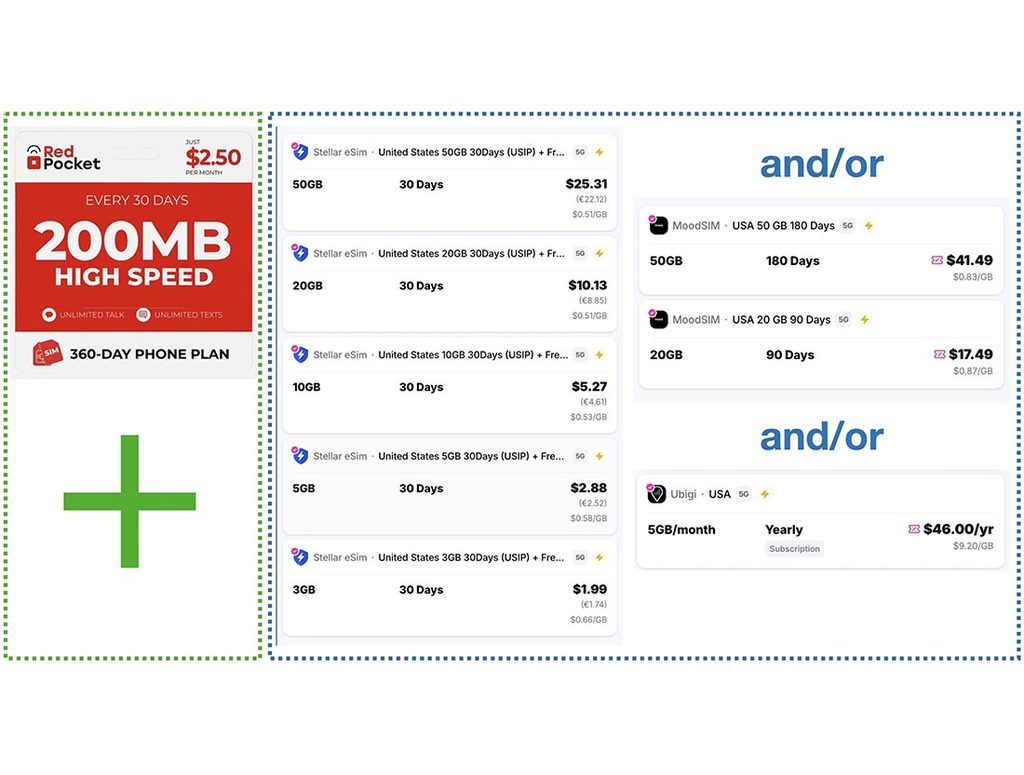
From the Essentials plan for basic communication needs to Plus for balancing work and entertainment, Premium for frequent mobile data users, and Annual Plus for long-term budgeting, RedPocket offers different options for different types of customers.
For me, the ideal mobile service should fit naturally into everyday life while helping me manage expenses more thoughtfully. RedPocket has introduced me to another practical option in the US mobile market. If you’re also looking for a more flexible mobile plan, I think it’s worth exploring RedPocket‘s offerings and comparing them with your own data usage habits to find the right fit.